

Read more
Two hours or two minutes
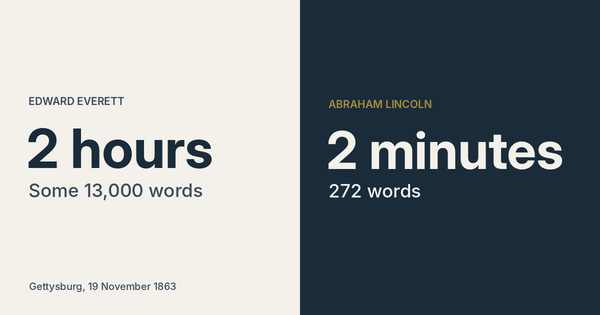
On 19 November 1863 the main speaker at the dedication of the national cemetery at Gettysburg talked for two hours. He was Edward Everett, former senator, former president of Harvard and the most celebrated orator in America. He delivered some 13,000 words from memory. Can anyone quote a single
Nobody taught you Word and it shows
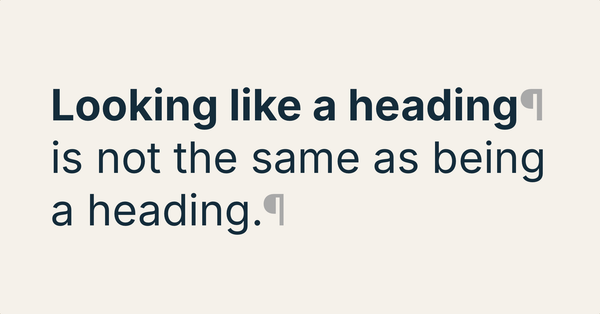
I once spent a full day fixing the formatting on a 100-page policy document. Multiple authors had worked on it, each with their own understanding of how Word works. Some knew about Styles and used them properly. Others made text look like a heading by bumping up the font

Unclear writing is expensive
The cost of unclear writing is real and it is large, but it never appears on an invoice and nobody is asked to account for it. The writer pays first, in the hours spent drafting and redrafting a document that does not land. The reader pays next, in the time
The longer version is sometimes easier to read
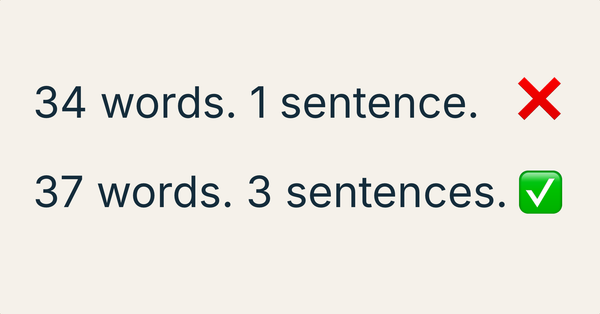
I keep a note of sentences that are harder to read than they need to be. Most come from documents that are otherwise careful and correct: it is the writing that lets them down, not the thinking. Here is one I added last week, a definition of fraud. Fraud is